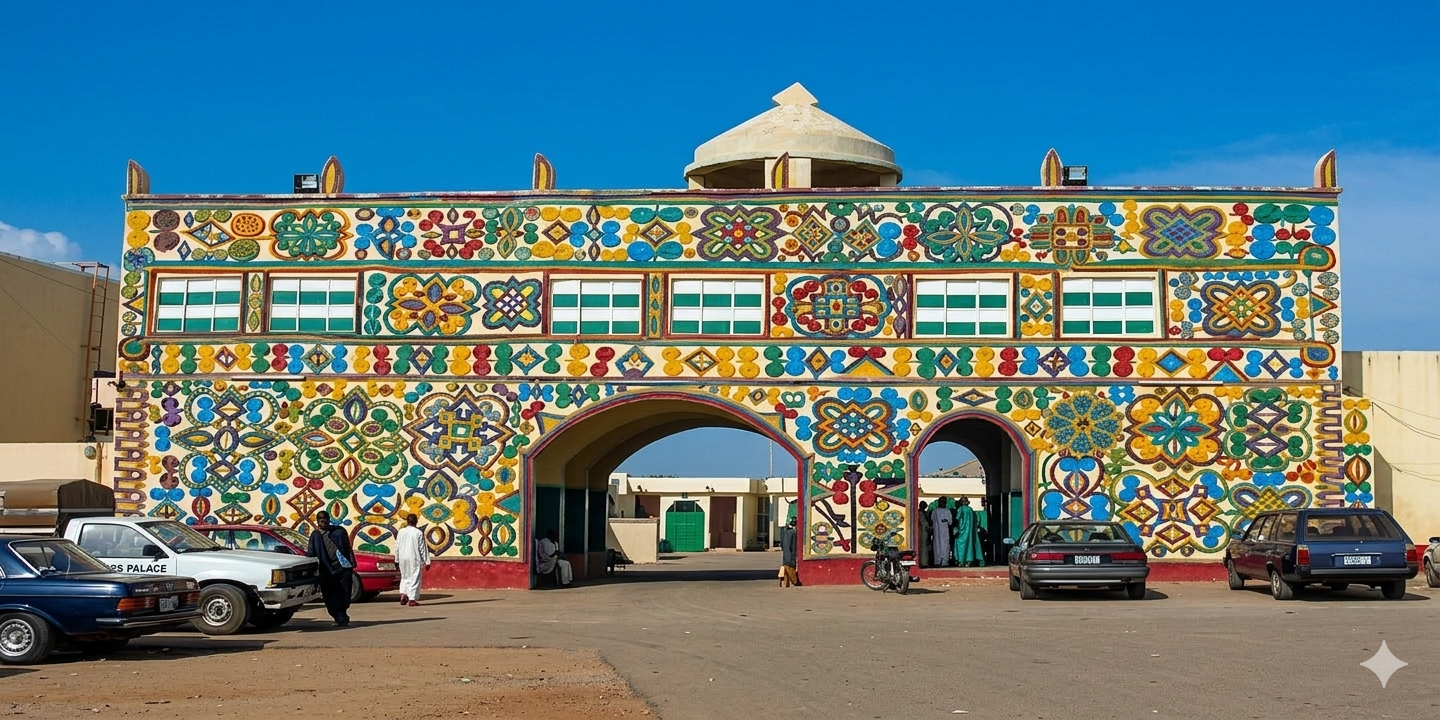
Government of Zaria
Learn about the administrative structure, elected representatives, and traditional institution in Zaria Local Government Area.
Government Structure
Zaria Local Government operates through a structured administrative system that combines democratic governance with community representation.
Executive Arm
- Executive Chairman: Heads the local government administration and policy implementation.
- Vice Chairman: Supports executive administration and oversees delegated responsibilities.
Legislative Arm
- Legislative Council: Comprised of elected councillors representing electoral wards.
- Council deliberates and passes by-laws to support local governance.
Administrative Departments
- Works and Infrastructure
- Health Services
- Agriculture and Rural Development
- Education and Social Development
- Finance and Administration
Current Leadership
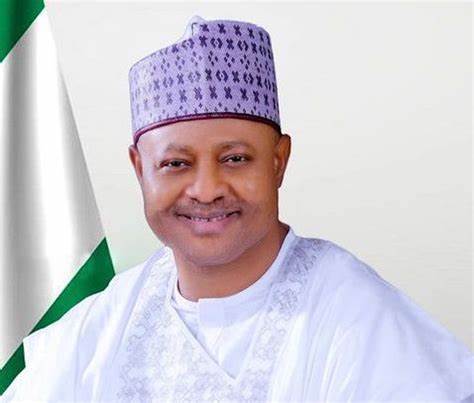
Senator Uba Sani
Governor
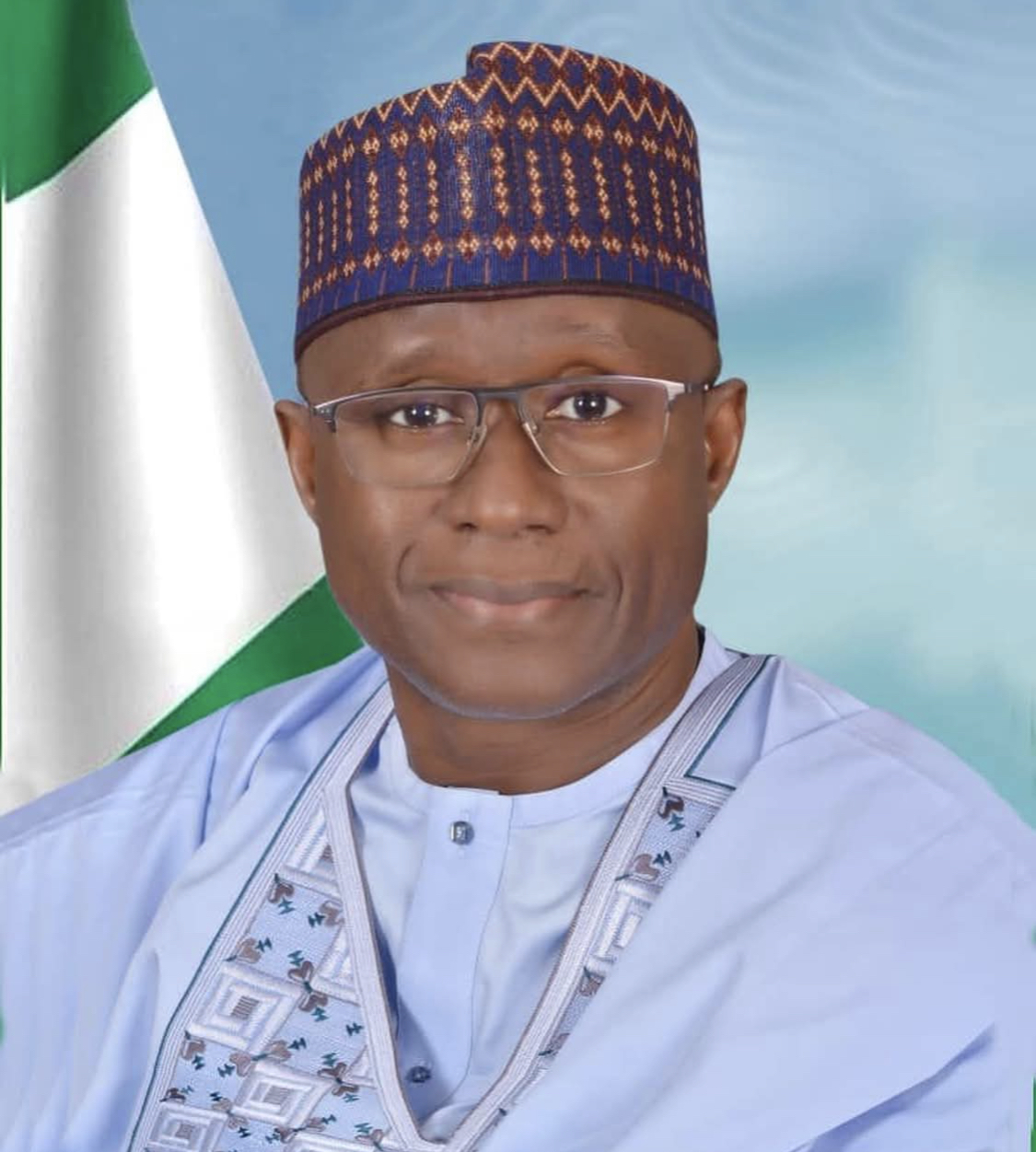
Hon. Sadiq Mamman Lagos
Commissioner for Local Government Affairs
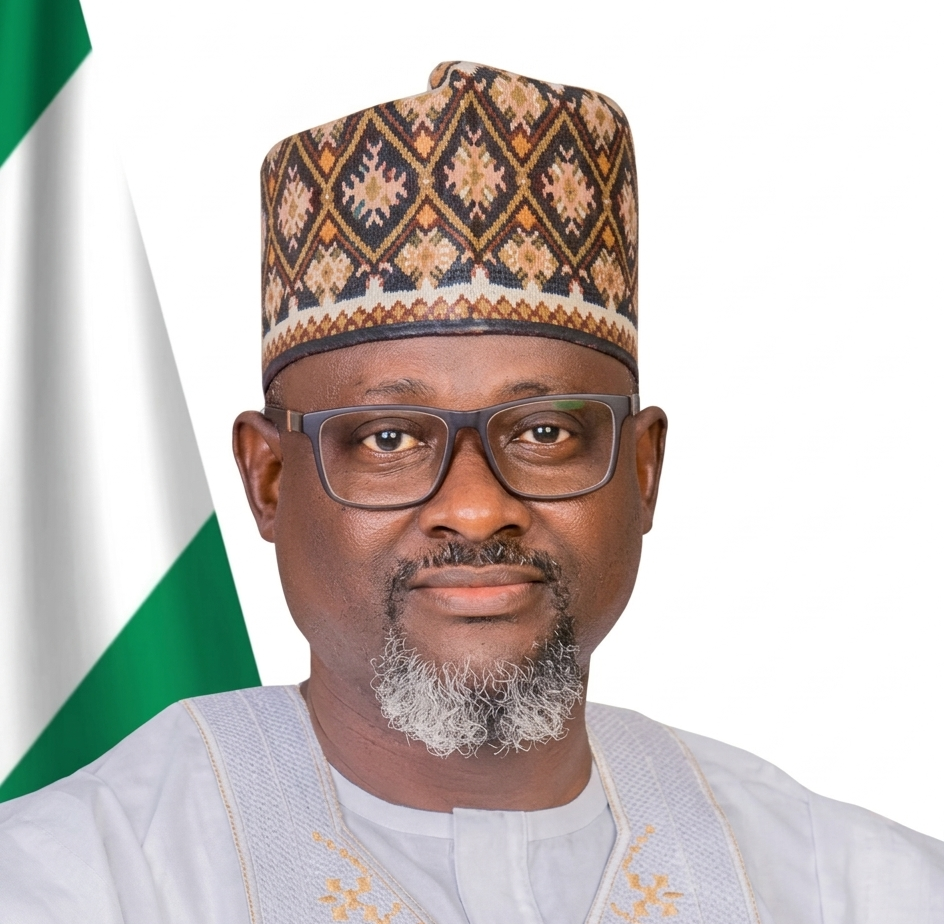
Engr. Jamil Ahmad Muhammad Jaga
Chairman
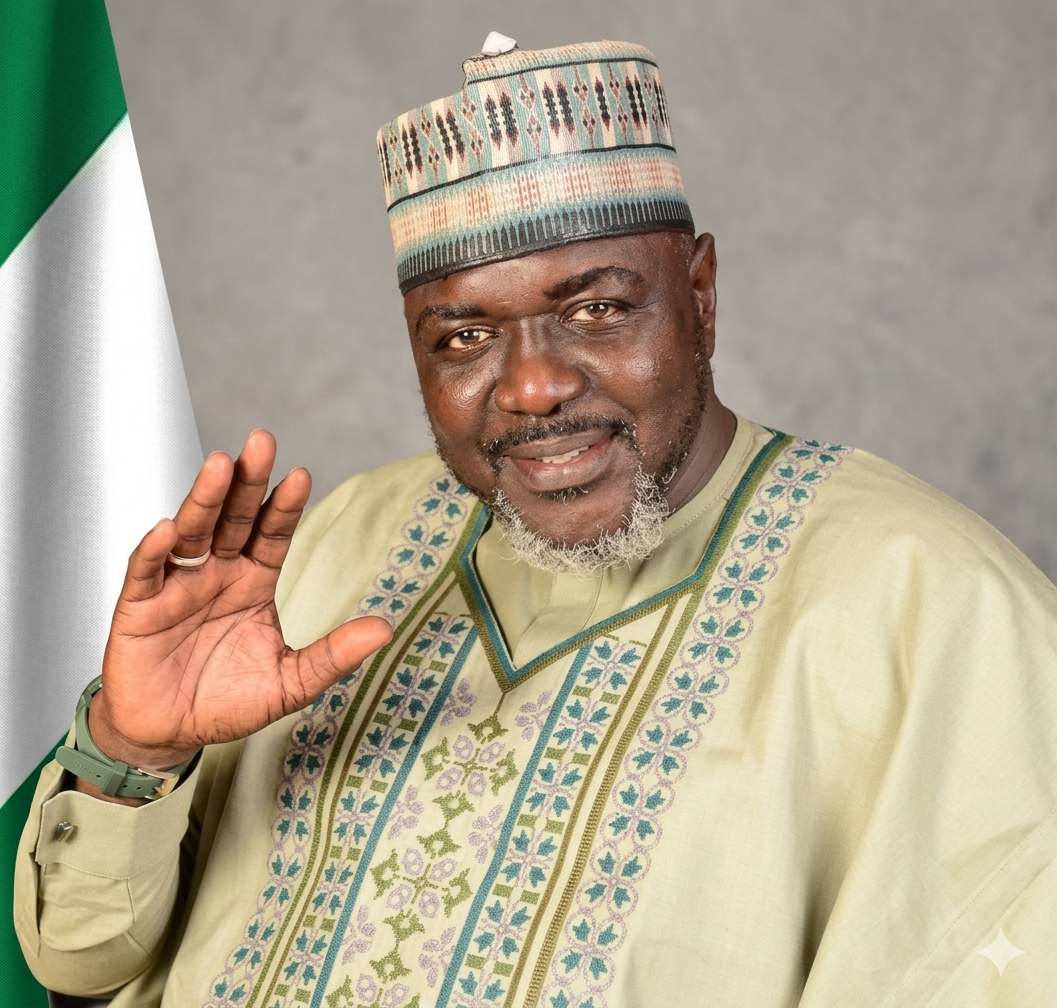
Sheikh Abdullahi Abba
Vice Chairman
Traditional Institution
Emirate Council
Zaria falls under the Zazzau Emirate (also known as the Zaria Emirate), a first-class traditional state with headquarters in the city of Zaria. The Emirate is one of the original seven Hausa city-states.
Districts
- Zazzau Emirate: Headed by His Royal Highness, Alhaji (Amb.) Ahmed Nuhu Bamalli, CFR, the 19th Emir of Zazzau. The Emirate oversees traditional and cultural affairs, complementing modern governance structures.
- The Emirate includes several districts and village heads who collaborate closely with the local government to foster community cohesion and preserve cultural continuity.
Role of Traditional Leaders
Traditional structures help maintain a balance between age-old customs and contemporary administrative practices, ensuring that the region's heritage remains vibrant and respected. The Emir plays a vital role in local conflict prevention and mediation.